Bima Street

How Insurance Experts Evaluate Car Insurance Policies Before Recommending Them - Car Insurance Comparison
BimaStreet Blogs, Car insurance

How Insurance Experts Evaluate Car Insurance Policies Before Recommending Them

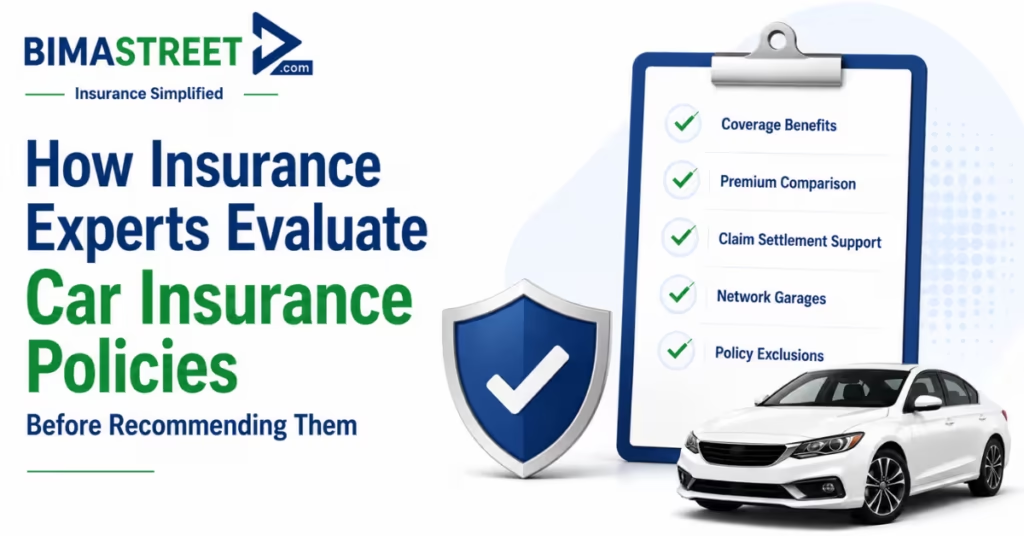
Getting a car insurance policy is not just about getting the most affordable premium A Car Insurance Comparison is a comparison of different areas of policy such as coverage benefits exclusions ease and support in claiming insurance network garages for cashless claim service and quality of customer service Not all vehicle owners have the same need which is why these factors are weighed carefully by insurance experts before each policy is recommended One driver’s preferred policy may not be the best choice for another. This guide contains an overview of how insurance experts analyze car insurances and the differences you need to look for before buying or renewing your policy. Why Car Insurance Comparison Is Important Compare More Than Just Premium Because price point never mind coverage value is the only basis on which so many policy holders buy insurance. But a lower premium might also mean less coverage than what you actually need Helpful contribution along with Car Insurance Comparison: Understand policy features. Compare coverage benefits. Review exclusions. Evaluate claim support. Identify suitable add-on covers. Choose better value for your money. Compare policies side-by-side so that you can make an educated choice Coverage Offered by the Policy Review What Is Included Policy Coverage Experts look at the policy coverage first. They compare whether the policy provides coverage for: Third-party liability. Own damage. Theft. Fire. Natural calamities. Man-made disasters The extent of coverage varies with the insurer and the type of policy chosen Add-On Covers Evaluate Optional Benefits Optional add-on covers can enhance your coverage significantly. Common add-ons include Zero depreciation cover. Engine protection. Roadside assistance. Return to invoice cover. Consumables cover. Key replacement cover Choose only the add-ons that complement your vehicle in terms of age, purpose, and budget, as recommended by experts Network Garages and Claim Support Convenience During Repairs Insurance specialists also compare the garage facilities across the insurer’s network Residual payments can either be paid directly into your bank account or to an appropriate agency that provides a cashless repair service such as the Insurance Theft Response Network However a wider network of approved garages may also save on call out time and hence become more convenient They also review: Claim assistance. Customer service. Digital claim process. Emergency support Better claim support helps create a positive overall experience for customers Policy Exclusions and Conditions Read the Fine Print Every insurance policy has exclusions Experts carefully review: Coverage limitations. Deductibles. Policy conditions. Exclusions. Claim procedures Knowledge of these particulars prevents misleading conclusions when the claim is settled. Premium and Overall Value Balance Cost and Protection Even though premium is a crucial aspect, experts look at the total offering in terms of value as well They compare: Coverage. Premium. Add-on benefits. Customer support. Claim process. Network garages The aim is to recommend coverage that adequately protects you, not merely the lowest rate Tips for Comparing Car Insurance Policies Make an Informed Decision Tips before buying or renewal of car insurance: Compare multiple insurers. Review policy coverage carefully. Understand exclusions. Check network garages. Evaluate optional add-ons. Read customer reviews. Understand the claim process By comparing these features you can choose a policy that is best for your requirement Frequently Asked Questions Why is car insurance comparison important? Comparing policies allows you to analyze the differences in coverage, benefits exclusions and limitations offered by each policy, along with premiums and claim support which can help you select a plan that meets your needs best Should I always choose the cheapest car insurance policy? Not necessarily. Although a lower premium may come with different exclusions or contingency benefits Best to check the total value a policy provides How often should I compare car insurance policies? Although this is not something you want to do every day, you should compare policies each renewal date because over time your coverage needs and policy options will change. Conclusion The Car Insurance Comparison is not just a comparison of premiums. Insurance professionals analyse anything from coverage add-on covers exclusions, claim support, network garages, customer service and other policy conditions before giving a recommendation on a policy Compare best quotes from different car insurance companies, read the policy documents carefully and purchase a coverage that works with your driving habits and pocket An educated choice that you make today will lead to additional financial protection along with increased peace of mind while driving. At BimaStreet, we believe informed decisions lead to better protection. Understanding your options today can help you secure a healthier and more financially confident tomorrow  

Is Your Car Underinsured Warning Signs Every Vehicle Owner Should Know - Car Insurance Coverage
BimaStreet Blogs, Car insurance

Is Your Car Underinsured? Warning Signs Every Vehicle Owner Should Know

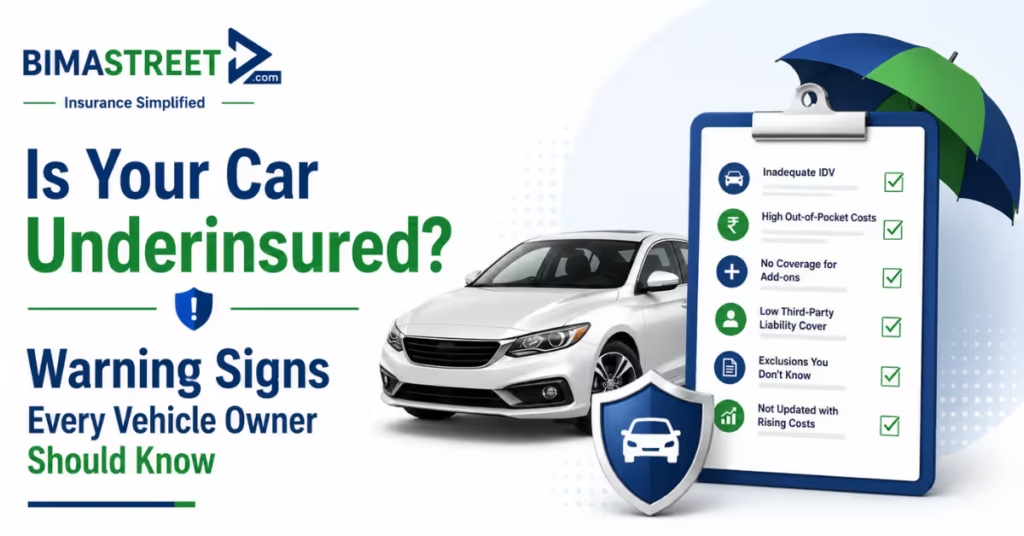
Purchasing car insurance is really just a crucial step in protecting your finances against sudden losses. But just having a policy does not mean that you have sufficient Car Insurance Coverage Most car policy holders find out they have holes in their coverage after an accident or other insured occurrence that is going to cost them money meaning certain damages or expenses may not be covered under the terms of their pledge If you are underinsured, it opens a Pandora’s box of massive uncovered expenses. This is why you should review your policy on a regular basis to make sure it suits the value of your car, driving habits and financial situation Here is the Article that will help you to recognize the classic alarm bells indicating your Car Insurance Coverage falls short and how to evaluate this, so you can do something about it What Does Car Insurance Coverage Mean? Understanding Your Protection Car Insurance Coverage refers to the amount or type of coverage you have with your insurance Depending on what type of policy you pick, coverage can include Third-party liability. Damage to your own vehicle. Theft. Fire. Natural calamities. Man-made disasters. Optional add-on covers Learning your coverage allows you to better understand the type of protection your policy provides and where there may be gaps. Warning Sign #1: You Only Have Third-Party Insurance Consider Your Protection Needs Indian law requires that third-party insurance be obtained before driving on public roads Nonetheless, it typically offers only third-party coverage and does not cover your own vehicle for damages If you only get third party insurance, you may have to pay for repairs to your own car after some events Warning Sign #2: You Haven’t Reviewed Your Policy in Years Your Insurance Needs Can Change There are several reasons why you might need different insurance than what you have now Vehicle age. Usage pattern. Change in location. Additional accessories. Financial priorities. Checking your coverage at each renewal means making sure that you have the right amount of coverage Warning Sign #3: You Don’t Know What Your Policy Covers Read the Policy Carefully The majority of policyholders buy the insurance without going through the policy document. Take time to understand: Coverage. Exclusions. Deductibles. Claim procedure. Add-on covers. Well, this information must be known before a tragedy, so that things do not get confused while filing the claim Warning Sign #4: You Haven’t Considered Add-On Covers Additional Protection May Be Helpful Optional add-ons can help your vehicle and the way you drive Zero depreciation cover. Engine protection. Roadside assistance. Return to invoice cover. Consumables cover may provide additional financial protection. Take your time and analyze these options so you will know if they are right for you Warning Sign #5: Your Vehicle’s IDV Has Not Been Reviewed Understand the Insured Declared Value IDV or Insured Declared Value is the approximate value for which your car will be insured, and has a significant impact on premiums and claims in some cases Getting the IDV reviewed when renewing a policy can ensure it adequately represents your vehicle How to Improve Your Car Insurance Coverage Smart Steps for Better Protection To strengthen your coverage: Compare multiple insurance plans. Review your policy every year. Understand exclusions. Select suitable add-on covers. Keep your policy active. Maintain accurate policy information. Read the claim procedure carefully Learning how to make smart choices will lead you to select the right coverage option Frequently Asked Questions How do I know if my car is underinsured? If the policy you hold is not offering protection as per your requirement or if you are not certain about its coverage, exclusions, or the IDV of your four wheeler, reviewing your policy with your insurance provider may be worthwhile Does comprehensive insurance provide better coverage? Comprehensive insurance can often provide more coverage than third-party insurance, as it also protects your own vehicle against several insured perils in addition to third-party liabilities, but this will depend on the actual terms of the policy Should I review my car insurance every year? Yes. Your policy should be reviewed when it is time to renew, so your coverage stays in line with the value of your car, who drives your car, and what you can afford Conclusion Car Insurance is necessary to have but Right Car Insurance Coverage is more essential A regular review of your policy, knowing what is covered, analysing the IDV and deciding on optional add-on covers can help you in better preparing for those unforeseen scenarios Check out alternative choices, read the policy, and get coverage according to your needs prior to acquiring or restoring a policy. Spend a moment today learning about your insurance to help you understand decisions you know will need to be made down the road At BimaStreet, we believe informed decisions lead to better protection. Understanding your options today can help you secure a healthier and more financially confident tomorrow
The Most Common Reasons Car Insurance Claims Get Delayed or Rejected - Car Insurance Claim Rejection
BimaStreet Blogs, Car insurance

The Most Common Reasons Car Insurance Claims Get Delayed or Rejected

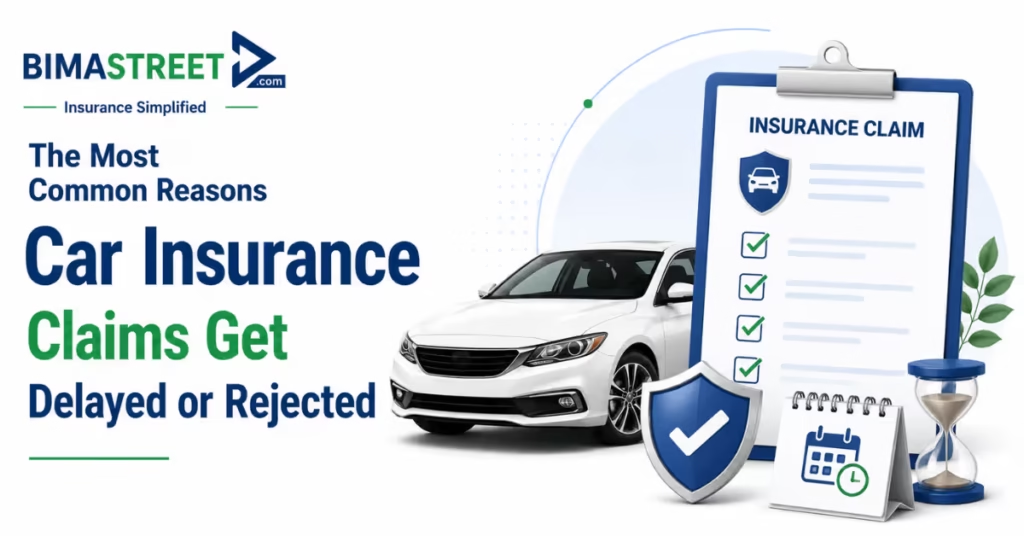
Car insurance is intended to cover you for events such as accidents which are not things that can predict theft extreme weather (such as hail hurricanes) and third-party liabilities but only when it is stated in the policy But these are not what many policyholders end up expecting when their claims are delayed or rejected instead An insurer can reject or delay a car insurance claim due to various reasons such as lack of adequate documentation, giving late intimation about the claim, including policy exclusions or failure to follow its claim process These are just a few of the reasons and by understanding these you avoid getting into unnecessary complications and help improve your overall claim experience In this guide, we provide you with an overview of the top reasons why your Car Insurance Claim Rejection could be delayed or rejected, along with tips on how to handle your insurance claim process as confidently as possible Delayed Intimation of the Accident Inform Your Insurer Promptly Notifying the insurance company well after an accident has occurred is one of the most common pitfalls for delays Insurance companies typically recommend that you report an accident as soon as is reasonable so the claim can be logged advice given and inspection booked if needed. You should give the correct report on the date, time and place of accident during reporting Quick communication helps the insurer to start the claim process immediately without any unnecessary delay Incomplete or Incorrect Documentation Submit the Required Documents Absence or mistakes in key documentation can lead to delays in claims. Based on the type of claim, insurers might ask for: Insurance policy copy. Registration Certificate (RC). Driving Licence. Claim form. Identity proof. Repair estimate. Accident photographs. FIR (where applicable). Bank account details. When you submit documents that are complete and accurate, it helps expedite the claim processing Repairs Before Inspection Follow the Insurer’s Claim Process Most insurers will want to see the car before repairs commence In fact, initiating repairs without informing the insurer could lead to issues for an assessment Always first contact your insurer and know the claim process before signing for repairs. Adhering to the process that is sought after promotes better claim settlement without difficulties Policy Exclusions The following things are included in premises liability insurance coverage The coverage options offered with each car insurance policy contain specific terms, conditions and exclusions. Policy exclusions and conditions, such as time limits for submitting a claim or reporting a loss to the insurer, may result in claims not being payable It is best to read your policy document beforehand in case of an emergency so that you know what is covered and what (if any) exclusion applies Incorrect or Misleading Information Be Accurate and Honest Every claim you submit is verified against the details you provide Ensure that information related to: The date and time that the accident occurred Date and time of the accident. Location. Driver details. Vehicle damage. Supporting documents. For some policies, the claim may be turned down but depending on the terms of your insurance policy and how much investigation your insurer conducts this may lead to Car Insurance Claim Rejection or just affect the process FIR Not Submitted When Required Know When an FIR May Be Needed A FIR may be needed in cases like: Vehicle theft. Serious injuries. Fatal accidents. Hit-and-run incidents. Certain third-party claims This depends on the type of incident, state laws as well as the claims process your insurer uses to determine if a report is necessary If in doubt, contact your insurer for advice. Expired Policy or Invalid Documents Keep Your Documents Updated Date, to prevent yourself from carrying a false insurance policy & driving licence Before driving, ensure that: Your insurance policy is active. Your driving licence is valid. Your vehicle registration documents are updated Having your documentation up to date is a good practice and helps avoid needless complications during the assessment of any Car Insurance Claim Rejection How to Reduce the Chances of Claim Delays Best Practices for Policyholders To benefit your claim experience, you can do the following Reporting accidents promptly. Taking photographs of the accident scene. Keeping all documents ready. Reading your policy carefully. Following the insurer’s instructions. Maintaining accurate records. Renewing your policy on time. It is better to be prepared beforehand and make the claim process easier when an emergency strikes Frequently Asked Questions Can a delayed claim still be approved? Yes. Each claim is evaluated in accordance with the terms of the policy facts relating to available proof, and the surrounding event Direct reporting is consequently advocated for so that redundancy may be avoided or prolonged delays averted Does every accident require an FIR? No. FIR is generally required only in case of theft grievous injuries due to accidental trauma such as hit-and-run or by law and or your insurance provider wherein it would be necessary Can incorrect information affect my claim? Yes. Giving false or misleading information would delay or Car Insurance Claim Rejection processing as well as settlement of the claim depending on what is stated in the policy and according to the insurer Conclusion is not just one fault that may cause a Car Insurance Claim to be Rejected or delayed. Often this is due to the fact that standard procedures were not followed or the information needed was lacking If you are insured, you should know your policy details, promptly allow claims to be reported, ensure that there is proper documentation and your insurer’s claim compliance or procedure. Review the policy coverage, cancellations, claim process and required documents before buying or renewing car insurance online. Knowing these things today will allow you the confidence to handle unexpected situations that arise and never lose financial backing when you need it the most. At BimaStreet, we believe informed decisions lead to better protection. Understanding your options today can help you secure a healthier and more financially confident tomorrow
Bought a New Car? Here's the Insurance Checklist Most Dealers Won't Share - New Car Insurance
BimaStreet Blogs, Car insurance

Bought a New Car? Here’s the Insurance Checklist Most Dealers Won’t Share

Especially if you are going to be insuring a brand new car before you pick it up buying a new car is exciting and there is one decision you should make before driving it home New Car Insurance The majority of dealerships will sort insurance as a result of the sale and several buyers just sign up to 1st choice they are supplied, not likely with understanding what it entails or if it overlooks everything needed A good insurance policy is capable of shielding you from unanticipated monetary loss due to accidents theft natural calamities and third party liabilities But not all policies offer the same level of coverage. By knowing your options prior to purchasing insurance you can select coverage that offers value while also providing peace of mind New Car Insurance checklist This covers what all new car owners need to double-check before signing any type of policy Why Is New Car Insurance Important? Financial Protection from Day One Driving a new vehicle with not enough insurance can leave you desperately under-protected if disaster strikes Comprehensive auto insurance policy covers repair of the vehicle, theft, natural calamities, fire and third-party loss as per the terms and conditions defined in your policy. Getting the right coverage at the outset safeguards your investment and saves you money and worry should something go wrong. Checklist #1: Choose the Right Type of Insurance Understand Your Coverage Options Do Your Research Before Buying New Car Insurance Generally, car insurance includes: Third-party insurance. Comprehensive insurance Although third party insurance is enough for driving on public roads, comprehensive motor ensures you are still insured against a wider range of risks affecting your own vehicle in addition to the third party cover Choose the protection that best serves your needs and fits your budget. Checklist #2: Check the Insured Declared Value (IDV) Understand Your Car’s Insured Value IDV is the insurance company’s estimate of how much your car would be worth and therefore how much pay out you will receive in the event of a total loss or theft, so it directly affects both your premium and claim amount Your policy will mention the IDV the greater the IDV, the better coverage that your vehicle can get learn about it before you decide Checklist #3: Review Add-On Covers Carefully Extra Protection When You Need It Optional add-on covers are provided by many insurers to expand your coverage Popular add-ons include: Zero depreciation cover. Engine protection. Roadside assistance. Return to invoice cover. Consumables cover. Key replacement cover. Tailor add-ons for your driving behaviour, location and funds rather than selecting from each obtainable providing Checklist #4: Verify the Network Garage List Cashless Repairs Can Be Convenient Cashless repairs are provided by garages within your insurer’s approved network Before purchasing your policy: Check whether trusted garages near your home are included. Understand the cashless claim process. Review customer support options A good network may make future repairs easier. Checklist #5: Understand Policy Exclusions Know What Isn’t Covered Every insurance policy contains exclusions Go through your policy thoroughly reading in situations when claims may not be payable, and any deductibles, waiting requirement (if applicable), or conditions of the policy These particulars help in avoiding misunderstanding during the claim settlement process Checklist #6: Compare Policies Before Buying Don’t Accept the First Offer So, most of the buyers buy the suggested insurance policy from their dealership only as they do not look at alternatives Before making a decision, compare: Coverage benefits. Premium. Add-on covers. Claim support. Network garages. Policy exclusions. The comparison of policies helps you in taking an informed decision Checklist #7: Read the Policy Documents Understand the Fine Print Before you settle on your New Car Insurance, evaluate: Policy wording. Coverage details. Claim process. Deductibles. Renewal conditions. Contact details for emergency assistance. Being prepared for the emergency may also help you save time if something happens today compared to understanding your policy Common Mistakes New Car Buyers Should Avoid Learn Before You Buy Avoid these common mistakes: Buying insurance based only on price. Ignoring policy exclusions. Choosing unnecessary add-ons. Not checking network garages. Failing to compare multiple policies. Not reading the policy document Being prudent will prevent unpleasant surprises down the line Frequently Asked Questions Is comprehensive insurance better for a new car? Comprehensive insurance is a more extensive coverage of the field, which is why most new car owners can fill it The correct picking of it demonstrates moreover understanding with things you need money related softness and furthermore inclination to hazard Are add-on covers necessary for a new car? Optional add-on covers Probably not all are required but some may be beneficial to cover based on your type of driving and the value of your vehicle Can I buy car insurance from a company other than the dealership? Yes. The best part is that buyers can compare one insurance policy of an insurer or insurance intermediary with the other and then be able to choose what suits them the best. Conclusion Buying New Car Insurance isn’t just about satisfying the law somewhere, it’s also important for protecting one of your most valuable assets. Compare coverage options, examine the IDV (Insured Declared Value), understand exclusions in your policy contract, evaluate add-on covers and check the network garages of the insurer, claim process before finalizing your policy. Understanding your policy before getting behind the wheel of your new car and driving it home can ensure that you make informed decisions, spare yourself from overspending unnecessarily, and enjoy more peace of mind every time you hit the road At BimaStreet, we believe informed decisions lead to better protection. Understanding your options today can help you secure a healthier and more financially confident tomorrow
Why Your Car Insurance Premium Increased Even Without a Claim - Insurance Premium Increase
BimaStreet Blogs, Car insurance

Why Your Car Insurance Premium Increased Even Without a Claim

You get your car insurance renewal notice, and even though you have not made one single claim, the premium has gone up. Most will assume a claim-free year means they will get an automatic lower renewal premium. But it isn’t the case all the time There are multiple factors that affect an Insurance Premium Increase and not just the type of claims you had Changes to your vehicle’s insured value, escalating repair costs, inflation, new underwriting practices, and the addition of policy features can all come into play when calculating your premium If you know how and why the premiums fluctuate, it can help guide you at renewal to avoid paying out money unnecessarily whilst ensuring that you still have the right cover in place. How Is Your Car Insurance Premium Calculated? Multiple Factors Affect Premiums There are many factors that insurance companies use to calculate your car insurance premium. These may include: Vehicle make and model Vehicle age Engine capacity Insured Declared Value (IDV) Location of vehicle registration Type of policy selected Add-on covers Applicable taxes and regulatory charges Insurer’s underwriting guidelines As most of these variables can vary through the years, your renewal coverage can also alternate even if you haven’t made an claim Rising Vehicle Repair Costs Repairs Have Become More Expensive Modern cars are packed with cutting-edge technology, sensors, cameras and electronic components often far more costly to fix or replace than parts of an older vehicle. When that happens, the skyrocketing cost of repairs could prompt insurers to up premiums leaving policyholders on the hook for the borrowed or paid difference when it comes time to claim Changes in Insured Declared Value (IDV) Your Vehicle’s Value Matters Insured Declared Value (IDV) of your vehicle is the closest market value of your own vehicle as per insurance. At renewal, the IDV may change based on factors such as Vehicle age Depreciation Model updates Manufacturer pricing Your renewal premium will be affected if you select a different IDV Changes in Policy Coverage Better Protection May Cost More Optional covers also add to your premium during renewal. Examples include Zero depreciation cover Engine protection Roadside assistance Consumables cover Return to invoice cover Admittedly, you pay extra for these add-ons but they significantly improve the level of your complete financial coverage Inflation and Medical Costs Industry-Wide Cost Increases General inflation is responsible for the cost of parts, labour, logistics and repairs in vehicles. With claim settlement costs increasing industry wide, some insurers may examine premium pricing in light of higher expenses Regulatory or Tax Changes External Factors Can Influence Premiums Premium changes can occur based on the following: Government taxes Regulatory updates Changes in third-party insurance rates (where applicable) Industry-wide pricing revisions These factors typically lie beyond the influence of individual policyholders Changes in Underwriting Assessment Insurers Regularly Review Risk Insurance companies certainly adjust their underwriting models every so often, based on actual claims experience, research on repair trends technological advances in fraud prevention and other emergent risk factors This will mean that the premiums on some models of cars or groups of customers, are modified even if there is no claim in any individual case How to Manage an Insurance Premium Increase Smart Ways to Reduce Costs If you notice an increase in your renewal premium: Compare policies before renewing. Review your add-on covers. Check whether the IDV is appropriate. Maintain your No Claim Bonus (NCB). Renew your policy before it expires. Understand what is included in your policy The choices you make wisely are going to determine your ability to balance coverage with cost Common Mistakes to Avoid Don’t Focus Only on Premium Avoid these common mistakes Choosing the cheapest policy without comparing benefits. Removing essential coverage to reduce premium. Ignoring policy exclusions. Forgetting to review add-on covers. Allowing your policy to lapse Therefore, the aim is to pay for adequate coverage and not opt for simply the cheapest cover Frequently Asked Questions Can my car insurance premium increase even if I didn’t make a claim? Yes. Premiums may change due to factors such as repair costs, policy changes, vehicle value, underwriting updates, inflation, and regulatory revisions Will my No Claim Bonus prevent every premium increase? No. While a No Claim Bonus can lower the own-damage premium, there are some others that still affects your overall renewal premium. Should I switch insurers if my premium increases? Before switching, compare coverage, claim service, network garages, add-on benefits, and premium. A higher premium may sometimes reflect broader coverage or improved benefits Conclusion An Insurance Premium Increase Doesn’t Always Mean That You Have Done Something Wrong Or Your Insurer. As there are many aspects such as IDV, increasing cost of repair, change in the policy coverage, inflation rate growth, regulatory changes or underwriting practices by the insurer that can impact your renewal premium negatively. Before you renew your car insurance policy, ensure that you have reviewed your coverage, compared benefits of the policies on offer and understood the exclusions and assessed any additional covers included in it. Instead of just looking at premium, look for the overall value, claim support and coverage that different policies provide If you want to make an informed decision while renewing your car insurance, this guide will help you select the right policy, manage insurance costs efficiently and also stay prepared for any untoward incident on road At BimaStreet, we believe informed decisions lead to better protection. Understanding your options today can help you secure a healthier and more financially confident tomorrow
Your Car Met With an Accident? 7 Mistakes That Can Ruin Your Insurance Claim - Car Insurance Claim Mistakes
BimaStreet Blogs, Car insurance

Your Car Met With an Accident? 7 Mistakes That Can Ruin Your Insurance Claim

Car accidents can occur anywhere and at any time, from driving to work or the grocery store, dropping your kids off at school, to travelling for a weekend trip Besides it being the first priority, the actions taken post subsequent accidents can also be significant towards your motor insurance claim. Most policyholders are under the impression that as long as they have taken a car insurance policy, there shall be no difficulty in making a claim In fact, insurers get an entire breakdown of the claim based on the policy terms and the details of the accident along with documents submitted. Forget about key procedures, delay in contacting or insufficient information may either prolong the process of a claim or lead to difficulties that could be avoided By familiarising yourself with these common Car Insurance Claim Mistakes, you will be better able to stay calm, follow the right process and set your claim up for success This article elaborates on seven Car Insurance Claim Mistakes that can lead to stress-free Indian motor insurance claims. Why Understanding Car Insurance Claim Mistakes Is Important Motor insurance written or purchased to provide coverage against the specified losses But simply having an active policy is not enough that you will succeed in your claim the way you submit a claim according to your insurer matters Avoiding common mistakes can help you Report the claim without unnecessary delays. Provide complete and accurate information. Support your claim with proper evidence. Reduce avoidable queries during claim assessment. Make the claim process simpler and less stressful Knowing the correct process before an accident occurs can save valuable time during an emergency Mistake #1: Delaying Intimation to Your Insurance Company Inform Your Insurer as Soon as Possible Waiting Too Long To Inform The Insurance Company About The Accident This is the most common Car Insurance Claim Mistakes. Once the safety of all concerned has been secured reach out to your insurer either via its helpline mobile application website or through a branch office Informing the insurer early allows for the claim to be registered and the next steps of registration, survey (if required) to be discussed When reporting the accident: Provide the Correct Date and Time. Mention the accident location. Describe the incident honestly. Do what your insurer says you should do In general, prompt reporting leads to a more efficient claims process Mistake #2: Not Collecting Evidence at the Accident Scene Documentation Can Support Your Claim Gather basic evidence at the crash scene, if safe to do so Useful evidence includes: Photographs of vehicle damage. Pictures of the accident location. Road and weather conditions. Vehicle registration numbers. Contact details of other parties involved. Witness information, if available Proper documentation will give the insurer a clearer picture of what exactly happened, so it may not have to explain itself further Mistake #3: Starting Repairs Without Following the Claim Process Wait for Your Insurer’s Guidance Tons of vehicle proprietors need to restore their vehicles right away after an accident. But depending on the insurer and type of claim, a survey or inspection may have to be conducted beforehand. Before authorizing repairs: Inform your insurer. Ask whether a survey is required. Obtain repair estimates if requested. Preserve damaged parts if instructed. The claim procedure helps prevent delays during the insurer’s settlement process Mistake #4: Providing Incorrect or Incomplete Information Accuracy Matters Details given during claim assessment are verified by insurance companies. Make sure information that you enter about: Accident time. Accident location. Driver details. Vehicle damage. Previous repairs or claims. Supporting documents Providing incorrect or incomplete information may result in further verification and can affect the policy terms while processing a claim Mistake #5: Not Understanding What Your Policy Covers Read Your Policy Before an Emergency Most people read their insurance policy only post-accident Before filing a claim, understand: Type of policy purchased. Coverage available. Deductibles. Exclusions. Add-on covers, if any. Cashless garage availability Understanding your policy helps you know what costs are effective and which materials may need to be mentioned Mistake #6: Not Filing an FIR When It Is Required Understand When an FIR May Be Necessary A police FIR (First Information Report) is not mandatory for each motor insurance claim. However, here are scenarios for which it may be needed to: Vehicle theft. Hit-and-run incidents. Fatal accidents. Serious bodily injuries. Certain third-party liability cases. When required by the insurer or local authorities If you are not sure, contact your insurer to ask what documentation is required for your claim Mistake #7: Losing or Misplacing Important Documents Keep Documents Ready Documentation helps insurers process claims quickly. Documents commonly requested include Insurance policy. Registration Certificate (RC). Driving Licence. Claim form. Repair estimate. Photographs of the damage. Identity proof. FIR, where applicable. Repair invoices and payment receipts. Having physical and digital versions of these documents can help you a lot during the process Additional Tips for a Smooth Claim Experience Here are ways to simplify the claims process for you Drive responsibly and follow traffic rules. Renew your insurance policy before expiry. Save your insurer’s emergency contact details. Keep your vehicle serviced regularly. Read your policy schedule carefully. Ask questions if you are unsure about the claim process Having plans in place before an incident happens will help to reduce the stress level afterwards Frequently Asked Questions Can a delayed claim intimation affect my claim? This is why many insurers expect accidents to be reported as soon as practically possible Subject to the terms of your policy, either no delay will be acceptable or further explanation may be needed depending on the circumstances Is an FIR compulsory for every car insurance claim? No. An FIR is mostly needed in certain conditions like theft, death related accidents, some third party cases or if the insurance company or law enforcement officials demand one Can I repair my car before informing my insurer? You should first notify your insurer and go through the claims process as described by them. Depending on the claim,

How to Reduce Your Car Insurance Premium Without Reducing Coverage - Reduce Car Insurance Premium
BimaStreet Blogs, Health insurance

How to Reduce Your Car Insurance Premium Without Reducing Coverage

Everyone who owns a car knows how important car insurance is, but that does not mean you have to pay more than you need. It seems people are under the impression that they can only lower their premium by taking out coverage, increasing deductibles or removing policy endorsements. But thankfully, that’s not often the case Once you know how insurers determine the rates they charge in premiums, spotting opportunities to reduce costs while ensuring your vehicle is properly protected becomes much easier Your driving history, claims record, policy add-ons, vehicle usage and renewal habits are all factors in determining your premium. In this guide, you get actual strategies to cut Reduce Car Insurance Premium without losing the protection that is needed. These tips can assist you in making wise choices and realizing long-term savings Why Does Your Car Insurance Premium Increase? Factors That Affect Premiums Insurance companies use multiple factors to calculate premiums Vehicle make and model Age of the vehicle Insured Declared Value (IDV) Claim history Driving habits Location where the vehicle is registered Selected add-on covers Type of insurance policy Learn what factors go into calculating your premium and you can find ways to reduce it. Maintain a No Claim Bonus (NCB) Reward for Safe Driving Maintaining a No Claim Bonus (NCB) is one of the simplest ways to reduce car insurance premiums Insurers typically reward you with a no claim bonus (NCB) at the time of renewal if you do not raise any claims during the policy tenure You can still get a reasonable discount for claim-free years, which adds up to decent savings on renewal premiums over the years. Stay safe and refrain from making frivolous claims wherever valid to conserve your bonus. Choose the Right Insured Declared Value (IDV) Balance Premium and Coverage The Insured Declared Value (IDV) indicates the estimated value of your car in the market for insurance purposes Having unnecessarily high IDV will shoot up your premium amount, on the flip side opting for a low IDV can reduce the claims you receive at total loss or theft An IDV representative of your car value Compare Policies Before Renewal Don’t Renew Without Reviewing Options Before renewing Compare coverage. Check premium differences. Review claim services. Evaluate add-on benefits. Compare network garages You could find better value without compromising on coverage by comparing the policies. Install Approved Safety Devices Improve Safety and Save Money You can lower your insurance premium by installing factory approved anti theft devices and safety features These devices minimize the likelihood of theft and enhance safety, which leads to less risk by insuring your vehicle. Make sure that any safety equipment you use meets certain standards Avoid Unnecessary Add-On Covers Pay Only for What You Need While these add-ons will give you additional coverage, all of them are not useful for everyone Go through your policy and only opt for add-ons that suit your driving patterns and vehicle use. Do not get stuck paying for extra features that you will unlikely use. Renew Your Policy on Time Don’t Let Your Policy Lapse Timely renewal helps you Maintain continuous coverage. Preserve your No Claim Bonus. Avoid inspection requirements in some cases. Prevent gaps in insurance protection. Having a lapsed policy can therefore lead to extra costs and hassle Drive Responsibly Safe Driving Pays Off Responsible driving helps: Reduce accident risk. Maintain claim-free history. Protect your No Claim Bonus. Improve long-term insurance savings. Not breaking traffic rules is in your favour both for your safety and finances Review Your Coverage Every Year Keep Your Policy Updated As your car gets older, you may feel the need for different types of insurance. Take stock of your policy each year and make sure that Appropriate IDV. Relevant add-ons. Correct personal details. Updated nominee information. Suitable coverage Conducting regular reviews helps you to avoid unnecessary benefit costs, and at the same time ensure adequate protection Common Mistakes That Increase Car Insurance Premiums Avoid These Errors Why does each one unknowingly pay more in premiums? Frequently make small claims. Miss renewal deadlines. Select unnecessary add-ons. Ignore policy comparisons. Choose an inaccurate IDV. Fail to maintain their vehicle properly. These are mistakes that can save a little in the short term Frequently Asked Questions Can I reduce my car insurance premium without reducing coverage? Yes. Ways to Reduce the Premium without Reducing the Cover, as of you could maintain your No Claim Bonus, compare policies, pick an appropriate IDV, Install approved safety devices and avoid unnecessary add on Does No Claim Bonus really reduce premiums? Yes. A No Claim Bonus grants claim-free policyholders with discounts over a renewal premium further reducing the cost of insurance in the long run Should I always choose the cheapest car insurance policy? No. Don’t choose a policy solely based on the lowest premium, instead compare coverage, claim support, policy features, network garages and exclusions Conclusion You can learn how to reduce car insurance premium without giving up valuable protection A clean driving history ensures a good No Claim Bonus, the right IDV saves hundreds and if you research add-ons well and compare your policy just before renewal, insurance costs can drop dramatically without compromising on coverage A car insurance could serve as vital financial protection, but with a little forward planning it is possible to truly make the most out of its value Each year, put your plan under the microscope and select coverage that provides just enough cost for the right level of protection At BimaStreet, we believe informed decisions lead to better protection. Understanding your options today can help you secure a healthier and more financially confident tomorrow
Cashless Garage vs Reimbursement Claim Which Car Insurance Option Saves More Money - Cashless Garage Claim
BimaStreet Blogs, Car insurance

Cashless Garage vs Reimbursement Claim: Which Car Insurance Option Saves More Money?

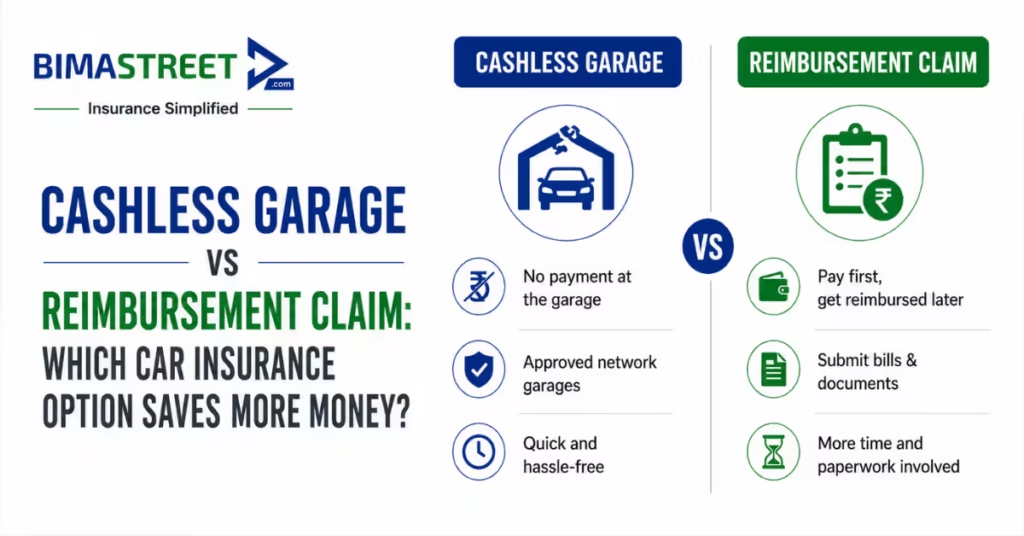
Car insurance is coverage that you get to secure yourself against sudden monetary setbacks after something happens, like an accident or damage of one kind or another But when it is the case of claim settlement, most policyholders get confused whether to go for a Cashless Garage Claim or a reimbursement claim. While both claim methods offer protection for repair costs, they do so in distinctly different ways when it comes to how the claim is handled and when you must pay for repairs The key to saving time, stress and money during an emergency lies in understanding those differences In this article, we will discuss how a Cashless Garage Claim works, how it’s different from reimbursement claims, its pros and cons, and which one’s a better option for you based on your situation What Is a Cashless Garage Claim? Understanding the Cashless Claim Process Under a Cashless Garage Claim, you can have your car fixed at an insurance provider’s empanelled garage The network garage will deal with the insurance company directly, paying for any repairs covered by your claim Typically, you only pay for things not covered by your policy, such as deductibles and depreciation (in states where this is allowed) or excluded items This option minimizes the hassle of arranging large amounts of funds beforehand What Is a Reimbursement Claim? How It Works Reimbursement When you fix your car in a garage which is not in the network of your insurer. In this process: You pay the repair bill yourself. Collect all invoices and supporting documents. Submit the claim to your insurer. The insurer verifies the claim. Eligible expenses are reimbursed according to your policy terms. Reimbursement of eligible bills in accordance with your benefits plan This option gives you greater freedom in selecting a garage where the repairs are done, however it means you will have to pay for those repairs out of your own pocket first. Cashless Garage Claim vs Reimbursement Claim Key Differences A Cashless Garage Claim is generally suitable when use a network garage. want minimal upfront payment. prefer quicker financial relief. want assistance with claim paperwork When is a reimbursement claim more appropriate Your preferred garage is not in the insurer’s network. You are comfortable paying repair costs initially. You are willing to complete the documentation process for reimbursement. Both cover eligible repairs, but coverage is subject to your policy’s terms and conditions Benefits of a Cashless Garage Claim Why Many Policyholders Prefer It Advantages include: Lower upfront financial burden. Direct settlement between insurer and garage. Simplified documentation. Faster repair coordination. Reduced claim-related stress. Better support during the repair process. Cashless claims are a lot more convenient (for some people) after an accident Benefits of Reimbursement Claims Greater Flexibility There are also some benefits from reimbursement claims Freedom to choose any repair garage. Useful when a network garage is unavailable nearby. Suitable for emergencies in remote locations. Flexibility to work with your trusted mechanic. Nevertheless, timely submission of all required documents is essential for easy and quick processing of the claim When Should You Choose a Cashless Garage Claim? Best Situations If this is the case then a Cashless Garage Claim may be the right way to go: A network garage is available nearby. Your vehicle requires major repairs. You want to avoid paying the full repair bill upfront. You prefer faster claim coordination. This is an important feature that comes in handy during costly repairs after major accidents. When Is a Reimbursement Claim a Better Choice? Suitable Scenarios There may be times when a reimbursement claim is reasonable: Your preferred garage is outside the insurer’s network. You need immediate repairs in an area without network garages. You are comfortable paying repair expenses first and claiming them later. Never lose your original invoices, payment receipts, estimates for repairs and photographs capturing the loss Common Mistakes to Avoid Protect Your Claim Avoid these common errors Delaying claim notification. Repairing the vehicle before insurer approval when required. Losing repair bills and invoices. Choosing a garage without checking policy requirements. Providing incomplete or incorrect information. Ignoring policy exclusions. Reduces delays and disputes if the insurance claim is accompanied by an in-depth report, they are less likely to happen when following the correct claim procedure Tips for a Smooth Car Insurance Claim Be Prepared To improve your claim experience Inform your insurer immediately after an accident. Take photographs of the damage. Understand your policy coverage. Keep your policy documents accessible. Use a network garage whenever practical. Maintain copies of all claim-related documents. Being prepared can help speed up the claim processes Frequently Asked Questions Is a Cashless Garage Claim completely free? No. The insurer will directly settle the repair cost with the panel shop within its network, but you may still be required to pay an excess/out-of-pocket amount, and any charges for deprecation (if it was a new car) along with non-covered fees in terms of your policy coverage Can I choose any garage for a reimbursement claim? Yes. Firstly, reimbursement claims usually let you use a non-network garage but you must follow the procedures your insurer requires in order for them to pay out Which option saves more money? Cashless Garage Claim helps avoid hefty upfront payments and make the claim process hassle-free. The method of submitting the claim does not determine the amount that is finally covered, it will depend on your policy terms and deductible depreciation and approved repair costs. Conclusion A Cashless Garage Claim and a reimbursement claim are two great options to provide you with financial relief after damage to one of your vehicles The right choice depends on your circumstances, the availability of network garages, and your preference for convenience or flexibility Wherever services of a network garage are within reach, a cashless claim can help with financial tensions to some extent because the insurer provides direct payment for certain repair bills In contrast, reimbursement claims offer more flexibility if you want to visit a particular garage By thoroughly understanding

Contact Details

Support mail:

care@bimastreet.com

Claim mail:

claim@bimastreet.com

For Other Query:

info@bimastreet.com

Phone Number:

(+91) 9391009482/84/89

BIMASTREET is the online insurance platform of
Amaze insurance brokers pvt ltd


Corporate Office :- #403, THE LEGEND, Metro Pillar C1338, Motilal Nehru Nagar, Begumpet, Hyderabad – 500016

Regd Office: – Ground Floor, Villa No.10, Richmond Villas, Near Glendale International School, Hydershakote, Hyderabad-500086.

Website Approved By IRDAI(Govt. of india)
ISNP Ref: IRDAI/INT/ISNP/2021/79
IRDA License Number: 549
Licensed on: 24/02/2025
Valid Upto: 23/02/2028

Disclaimer: Disclaimer: Insurance is the subject matter of solicitation. Visitors are hereby informed that their information submitted on the website may be shared with insurers. The product information for comparison displayed on this website is of the insurers with whom our company has an agreement. Product information is authentic and solely based on the information received from the Insurer. The information provided on this website/page is for information purpose only. Bimastreet.com does not in any form or manner endorse the information so provided on the website and strives to provide factual and unbiased information to customers to assist in making informed insurance choices.

Scroll to Top