

You get your car insurance renewal notice, and even though you have not made one single claim, the premium has gone up.
Most will assume a claim-free year means they will get an automatic lower renewal premium. But it isn’t the case all the time
There are multiple factors that affect an Insurance Premium Increase and not just the type of claims you had
Changes to your vehicle’s insured value, escalating repair costs, inflation, new underwriting practices, and the addition of policy features can all come into play when calculating your premium
If you know how and why the premiums fluctuate, it can help guide you at renewal to avoid paying out money unnecessarily whilst ensuring that you still have the right cover in place.
How Is Your Car Insurance Premium Calculated?
Multiple Factors Affect Premiums
There are many factors that insurance companies use to calculate your car insurance premium.
These may include:
- Vehicle make and model
- Vehicle age
- Engine capacity
- Insured Declared Value (IDV)
- Location of vehicle registration
- Type of policy selected
- Add-on covers
- Applicable taxes and regulatory charges
- Insurer’s underwriting guidelines
As most of these variables can vary through the years, your renewal coverage can also alternate even if you haven’t made an claim
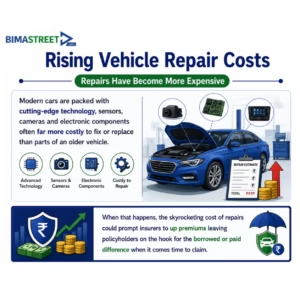
Rising Vehicle Repair Costs
Repairs Have Become More Expensive
Modern cars are packed with cutting-edge technology, sensors, cameras and electronic components often far more costly to fix or replace than parts of an older vehicle.
When that happens, the skyrocketing cost of repairs could prompt insurers to up premiums leaving policyholders on the hook for the borrowed or paid difference when it comes time to claim
Changes in Insured Declared Value (IDV)
Your Vehicle’s Value Matters
Insured Declared Value (IDV) of your vehicle is the closest market value of your own vehicle as per insurance.
At renewal, the IDV may change based on factors such as
- Vehicle age
- Depreciation
- Model updates
- Manufacturer pricing
Your renewal premium will be affected if you select a different IDV
Changes in Policy Coverage
Better Protection May Cost More
Optional covers also add to your premium during renewal.
Examples include
- Zero depreciation cover
- Engine protection
- Roadside assistance
- Consumables cover
- Return to invoice cover
Admittedly, you pay extra for these add-ons but they significantly improve the level of your complete financial coverage
Inflation and Medical Costs
Industry-Wide Cost Increases
General inflation is responsible for the cost of parts, labour, logistics and repairs in vehicles.
With claim settlement costs increasing industry wide, some insurers may examine premium pricing in light of higher expenses
Regulatory or Tax Changes
External Factors Can Influence Premiums
Premium changes can occur based on the following:
- Government taxes
- Regulatory updates
- Changes in third-party insurance rates (where applicable)
- Industry-wide pricing revisions
These factors typically lie beyond the influence of individual policyholders
Changes in Underwriting Assessment
Insurers Regularly Review Risk
Insurance companies certainly adjust their underwriting models every so often, based on actual claims experience, research on repair trends
technological advances in fraud prevention and other emergent risk factors
This will mean that the premiums on some models of cars or groups of customers, are modified even if there is no claim in any individual case
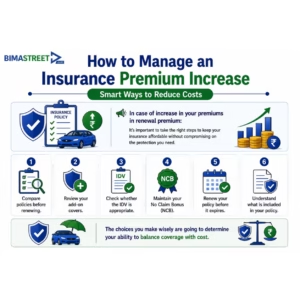
How to Manage an Insurance Premium Increase
Smart Ways to Reduce Costs
If you notice an increase in your renewal premium:
- Compare policies before renewing.
- Review your add-on covers.
- Check whether the IDV is appropriate.
- Maintain your No Claim Bonus (NCB).
- Renew your policy before it expires.
- Understand what is included in your policy
The choices you make wisely are going to determine your ability to balance coverage with cost
Common Mistakes to Avoid
Don’t Focus Only on Premium
Avoid these common mistakes
- Choosing the cheapest policy without comparing benefits.
- Removing essential coverage to reduce premium.
- Ignoring policy exclusions.
- Forgetting to review add-on covers.
- Allowing your policy to lapse
Therefore, the aim is to pay for adequate coverage and not opt for simply the cheapest cover
Frequently Asked Questions
Can my car insurance premium increase even if I didn’t make a claim?
Yes. Premiums may change due to factors such as repair costs, policy changes, vehicle value, underwriting updates, inflation, and regulatory revisions
Will my No Claim Bonus prevent every premium increase?
No. While a No Claim Bonus can lower the own-damage premium, there are some others that still affects your overall renewal premium.
Should I switch insurers if my premium increases?
Before switching, compare coverage, claim service, network garages, add-on benefits, and premium.
A higher premium may sometimes reflect broader coverage or improved benefits
Conclusion
An Insurance Premium Increase Doesn’t Always Mean That You Have Done Something Wrong Or Your Insurer.
As there are many aspects such as IDV, increasing cost of repair, change in the policy coverage,
inflation rate growth, regulatory changes or underwriting practices by the insurer that can impact your renewal premium negatively.
Before you renew your car insurance policy, ensure that you have reviewed your coverage,
compared benefits of the policies on offer and understood the exclusions and assessed any additional covers included in it.
Instead of just looking at premium, look for the overall value, claim support and coverage that different policies provide
If you want to make an informed decision while renewing your car insurance, this guide will help you select the right policy,
manage insurance costs efficiently and also stay prepared for any untoward incident on road
At BimaStreet, we believe informed decisions lead to better protection. Understanding your options today can help you secure a healthier and more financially confident tomorrow