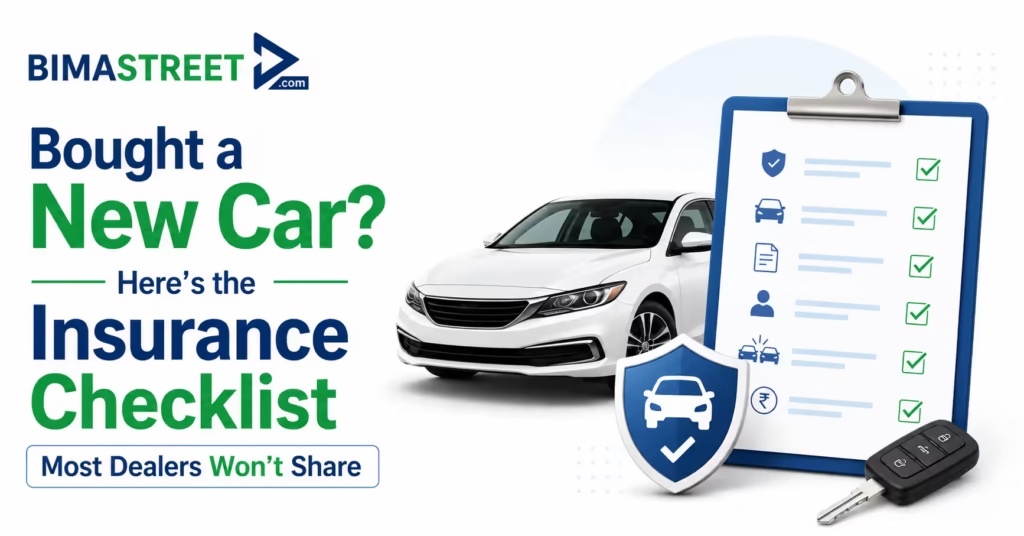
Bought a New Car? Here’s the Insurance Checklist Most Dealers Won’t Share
Especially if you are going to be insuring a brand new car before you pick it up buying a new car is exciting and there is one decision you should make before driving it home New Car Insurance The majority of dealerships will sort insurance as a result of the sale and several buyers just sign up to 1st choice they are supplied, not likely with understanding what it entails or if it overlooks everything needed A good insurance policy is capable of shielding you from unanticipated monetary loss due to accidents theft natural calamities and third party liabilities But not all policies offer the same level of coverage. By knowing your options prior to purchasing insurance you can select coverage that offers value while also providing peace of mind New Car Insurance checklist This covers what all new car owners need to double-check before signing any type of policy Why Is New Car Insurance Important? Financial Protection from Day One Driving a new vehicle with not enough insurance can leave you desperately under-protected if disaster strikes Comprehensive auto insurance policy covers repair of the vehicle, theft, natural calamities, fire and third-party loss as per the terms and conditions defined in your policy. Getting the right coverage at the outset safeguards your investment and saves you money and worry should something go wrong. Checklist #1: Choose the Right Type of Insurance Understand Your Coverage Options Do Your Research Before Buying New Car Insurance Generally, car insurance includes: Third-party insurance. Comprehensive insurance Although third party insurance is enough for driving on public roads, comprehensive motor ensures you are still insured against a wider range of risks affecting your own vehicle in addition to the third party cover Choose the protection that best serves your needs and fits your budget. Checklist #2: Check the Insured Declared Value (IDV) Understand Your Car’s Insured Value IDV is the insurance company’s estimate of how much your car would be worth and therefore how much pay out you will receive in the event of a total loss or theft, so it directly affects both your premium and claim amount Your policy will mention the IDV the greater the IDV, the better coverage that your vehicle can get learn about it before you decide Checklist #3: Review Add-On Covers Carefully Extra Protection When You Need It Optional add-on covers are provided by many insurers to expand your coverage Popular add-ons include: Zero depreciation cover. Engine protection. Roadside assistance. Return to invoice cover. Consumables cover. Key replacement cover. Tailor add-ons for your driving behaviour, location and funds rather than selecting from each obtainable providing Checklist #4: Verify the Network Garage List Cashless Repairs Can Be Convenient Cashless repairs are provided by garages within your insurer’s approved network Before purchasing your policy: Check whether trusted garages near your home are included. Understand the cashless claim process. Review customer support options A good network may make future repairs easier. Checklist #5: Understand Policy Exclusions Know What Isn’t Covered Every insurance policy contains exclusions Go through your policy thoroughly reading in situations when claims may not be payable, and any deductibles, waiting requirement (if applicable), or conditions of the policy These particulars help in avoiding misunderstanding during the claim settlement process Checklist #6: Compare Policies Before Buying Don’t Accept the First Offer So, most of the buyers buy the suggested insurance policy from their dealership only as they do not look at alternatives Before making a decision, compare: Coverage benefits. Premium. Add-on covers. Claim support. Network garages. Policy exclusions. The comparison of policies helps you in taking an informed decision Checklist #7: Read the Policy Documents Understand the Fine Print Before you settle on your New Car Insurance, evaluate: Policy wording. Coverage details. Claim process. Deductibles. Renewal conditions. Contact details for emergency assistance. Being prepared for the emergency may also help you save time if something happens today compared to understanding your policy Common Mistakes New Car Buyers Should Avoid Learn Before You Buy Avoid these common mistakes: Buying insurance based only on price. Ignoring policy exclusions. Choosing unnecessary add-ons. Not checking network garages. Failing to compare multiple policies. Not reading the policy document Being prudent will prevent unpleasant surprises down the line Frequently Asked Questions Is comprehensive insurance better for a new car? Comprehensive insurance is a more extensive coverage of the field, which is why most new car owners can fill it The correct picking of it demonstrates moreover understanding with things you need money related softness and furthermore inclination to hazard Are add-on covers necessary for a new car? Optional add-on covers Probably not all are required but some may be beneficial to cover based on your type of driving and the value of your vehicle Can I buy car insurance from a company other than the dealership? Yes. The best part is that buyers can compare one insurance policy of an insurer or insurance intermediary with the other and then be able to choose what suits them the best. Conclusion Buying New Car Insurance isn’t just about satisfying the law somewhere, it’s also important for protecting one of your most valuable assets. Compare coverage options, examine the IDV (Insured Declared Value), understand exclusions in your policy contract, evaluate add-on covers and check the network garages of the insurer, claim process before finalizing your policy. Understanding your policy before getting behind the wheel of your new car and driving it home can ensure that you make informed decisions, spare yourself from overspending unnecessarily, and enjoy more peace of mind every time you hit the road At BimaStreet, we believe informed decisions lead to better protection. Understanding your options today can help you secure a healthier and more financially confident tomorrow